ThunderCore · Bridge · 2021
Some products may not be the flashiest, but they uphold the trust of the entire experience
Bridge was initially seen as a product to maintain but not worth heavy investment. I facilitated a company-wide workshop to help the team realize: if core infrastructure problems aren't fixed, new growth will be built on unstable ground.
ROLE
Product Designer
TEAM
Workshop Facilitation
DURATION
2021
✓
Aligned first
Paused shipping to reset the team's understanding of UX for irreversible flows.
Note
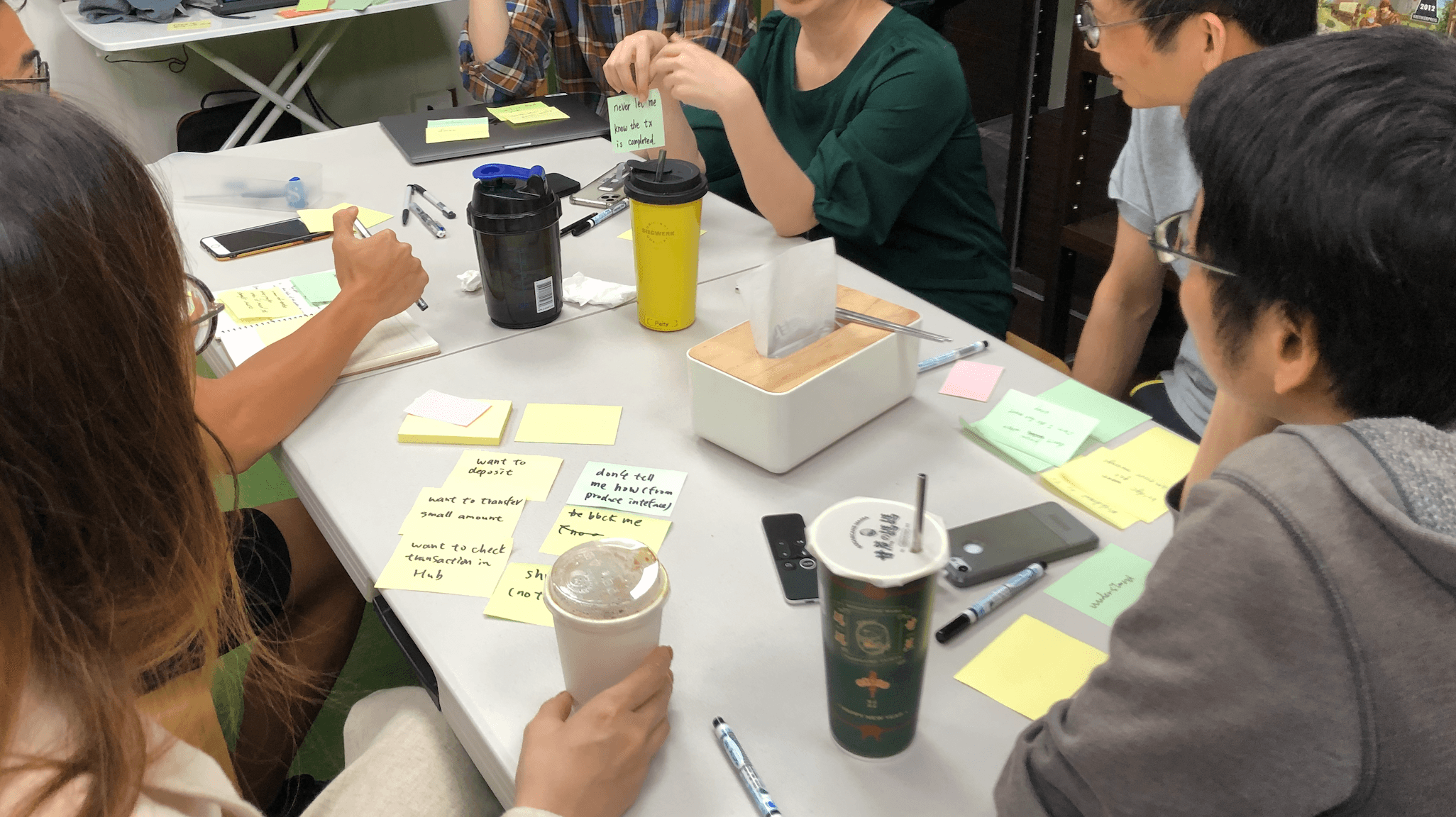
A workshop that helped the team reframe Bridge from a low-priority product to critical infrastructure.
SCENE 01
At the time, everyone wanted to focus resources on new opportunities
ThunderCore Bridge was an important but seen as a low-priority product. Instead of optimizing infrastructure, the team focused on new growth. Its issues seemed like outdated UI, but to me, its value was in sustaining user trust during ecosystem entry.
BNB Chain Bridge
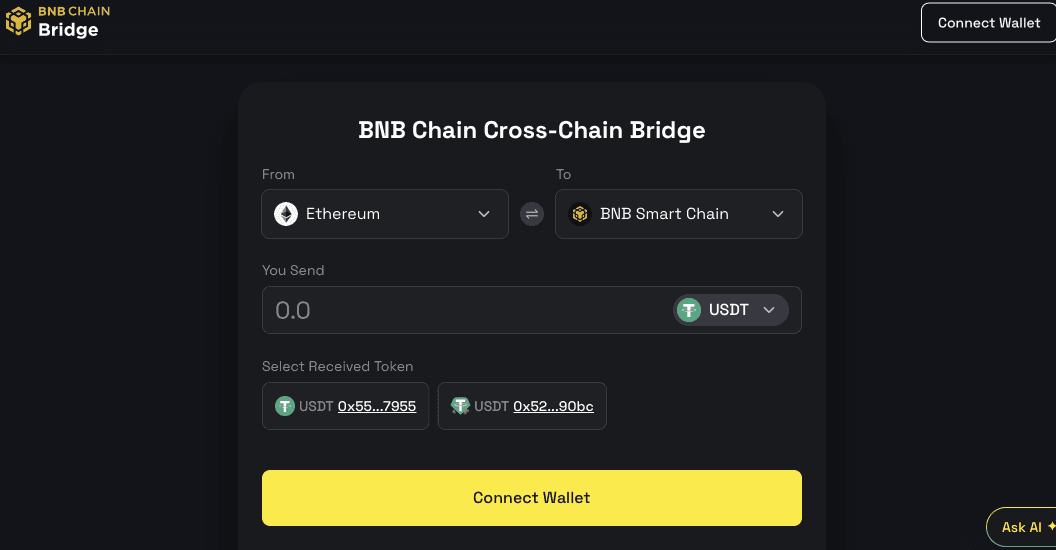
Modern interface, familiar to most users.
ThunderCore Bridge (Old UI)
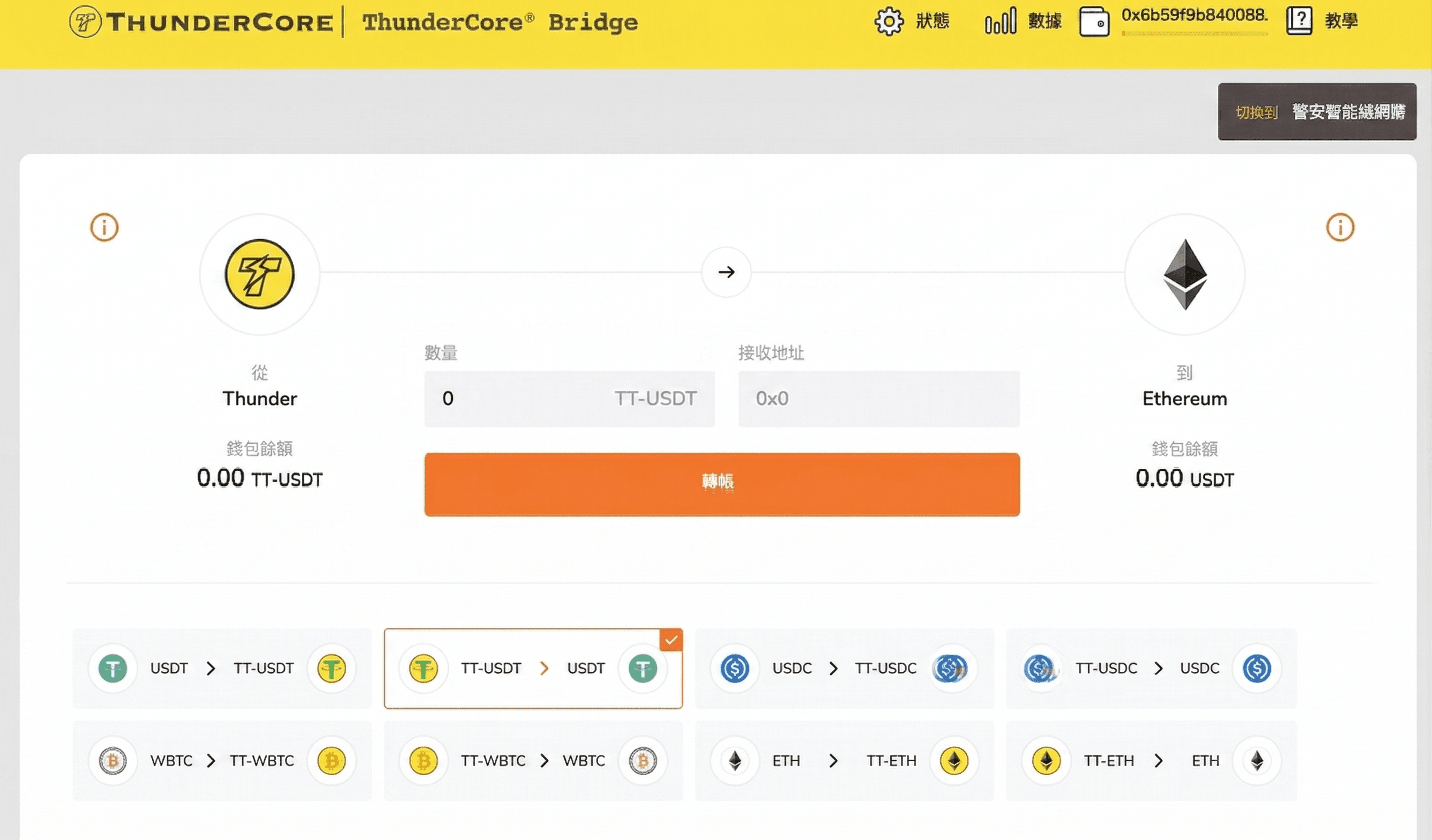
Outdated interface, but familiar to long-time users.
Compared to mainstream competitors, Bridge's UI appeared outdated, making it easily dismissed as a legacy product.
SCENE 02
What I saw was not just a UI gap, but a disconnect in judgment and trust
I realized the real problem wasn't the old UI, but that users had to make risky judgments alone. Cross-chain transfers aren't just forms; mistakes are irreversible. If we only modernized the UI, we might just be leading users smoothly into an unsafe process.
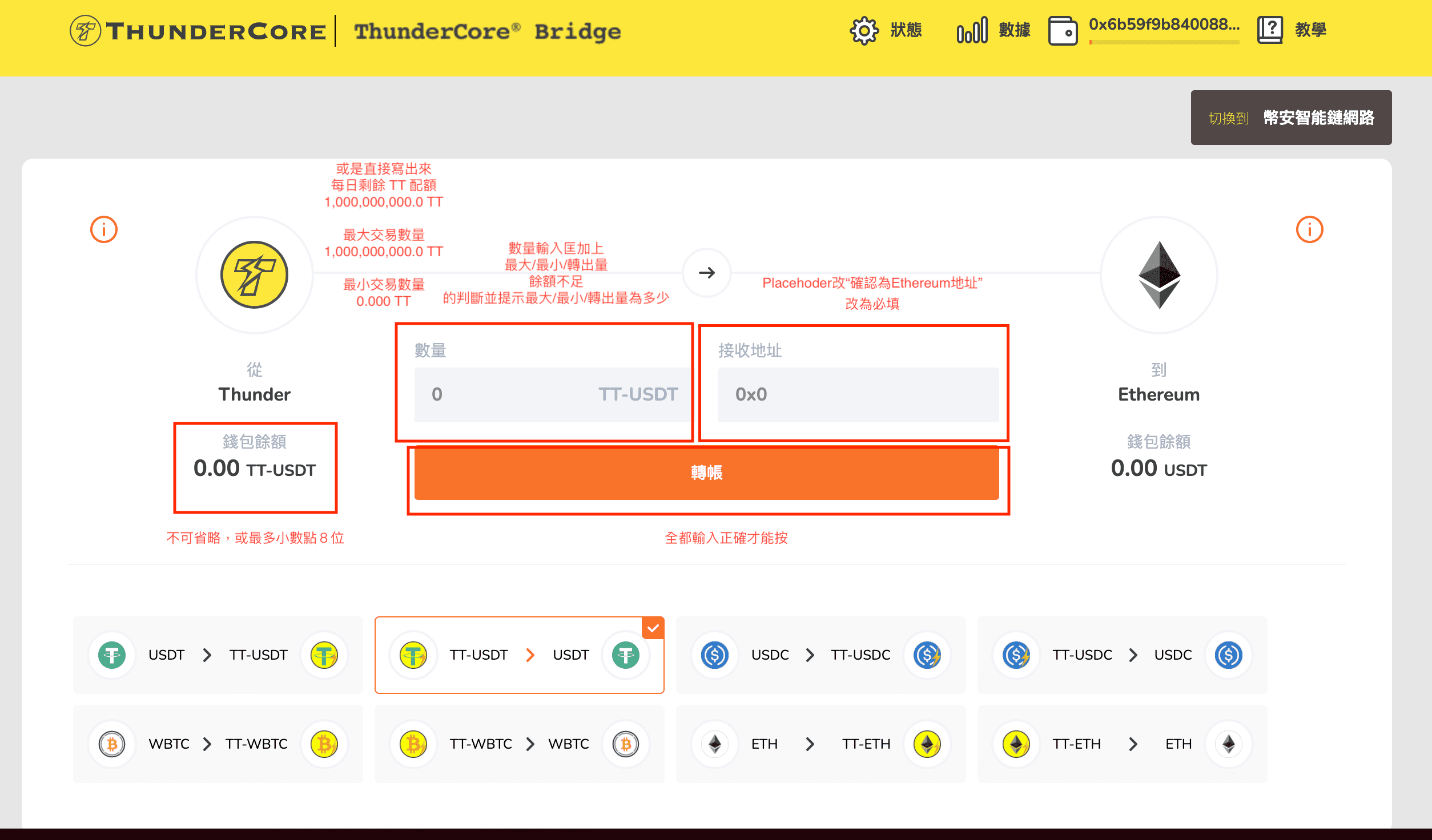
I mapped critical judgment nodes to evaluate where information needs to be surfaced and where actions should be blocked.
SCENE 03
Not a faster boat, but the sea we are sailing on
I knew directly discussing UI would lead back to 'making it faster.' I wanted the team to see the context instead: a sea of risk and irreversibility. Without seeing the sea, a faster boat doesn't mean a safer journey.
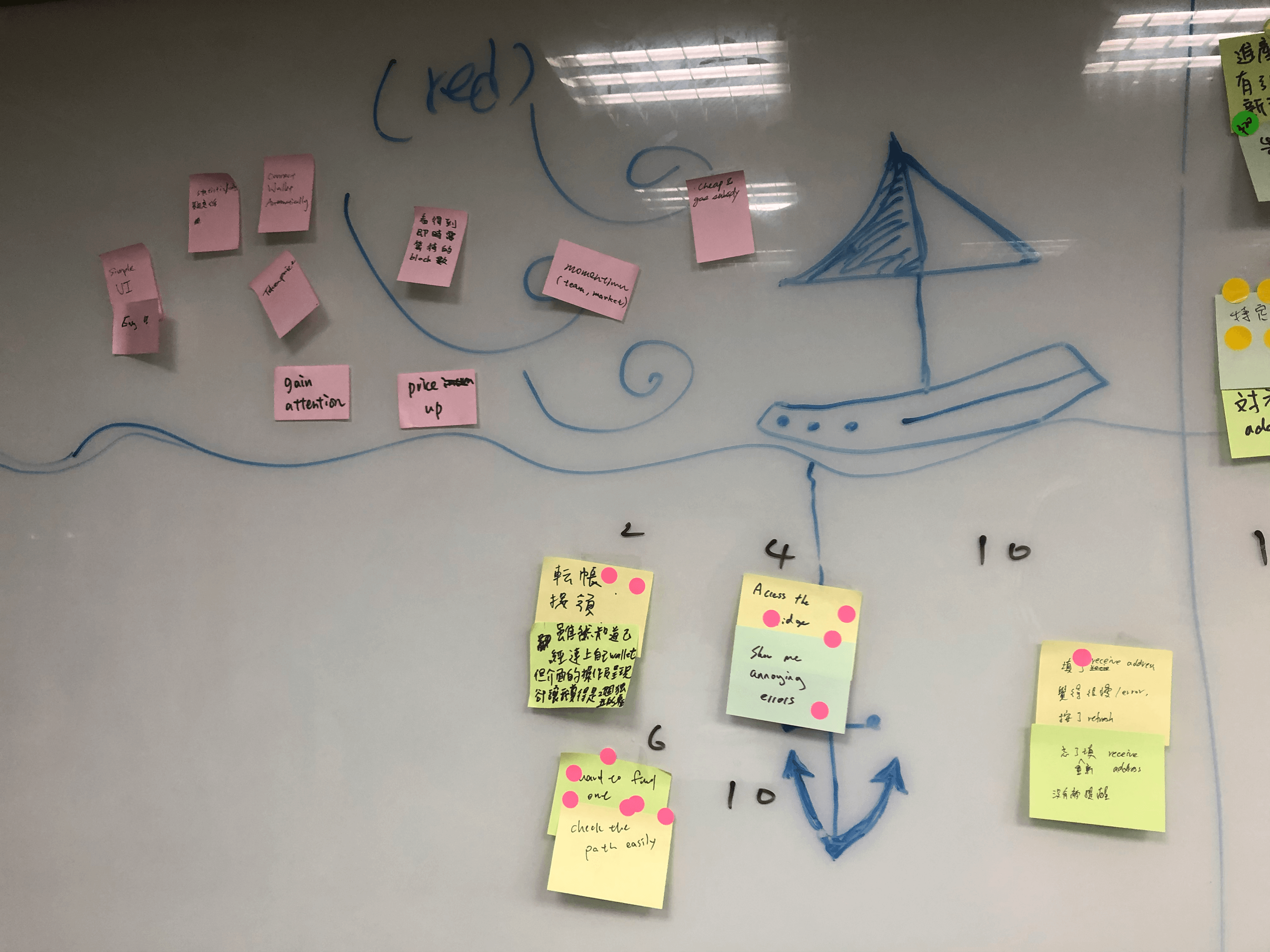
I used the ship and sea metaphor to help the team understand that we need to see the obstacles before we speed up.
SCENE 04
Redesigning the conversation, not the screens
I didn't propose new UI. I designed a company-wide workshop to re-align roles on whether Bridge is just a legacy tool or critical infrastructure for trust.
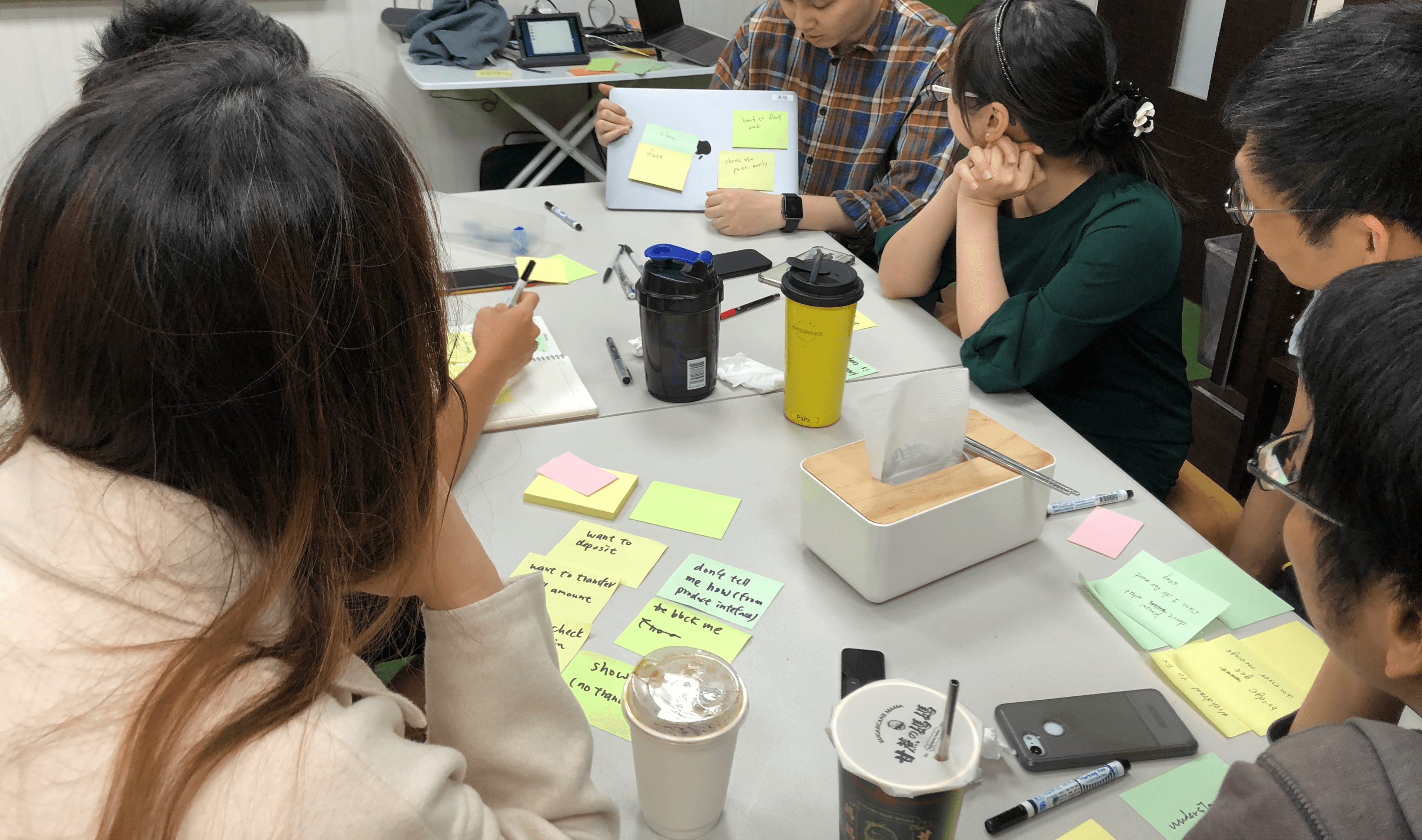
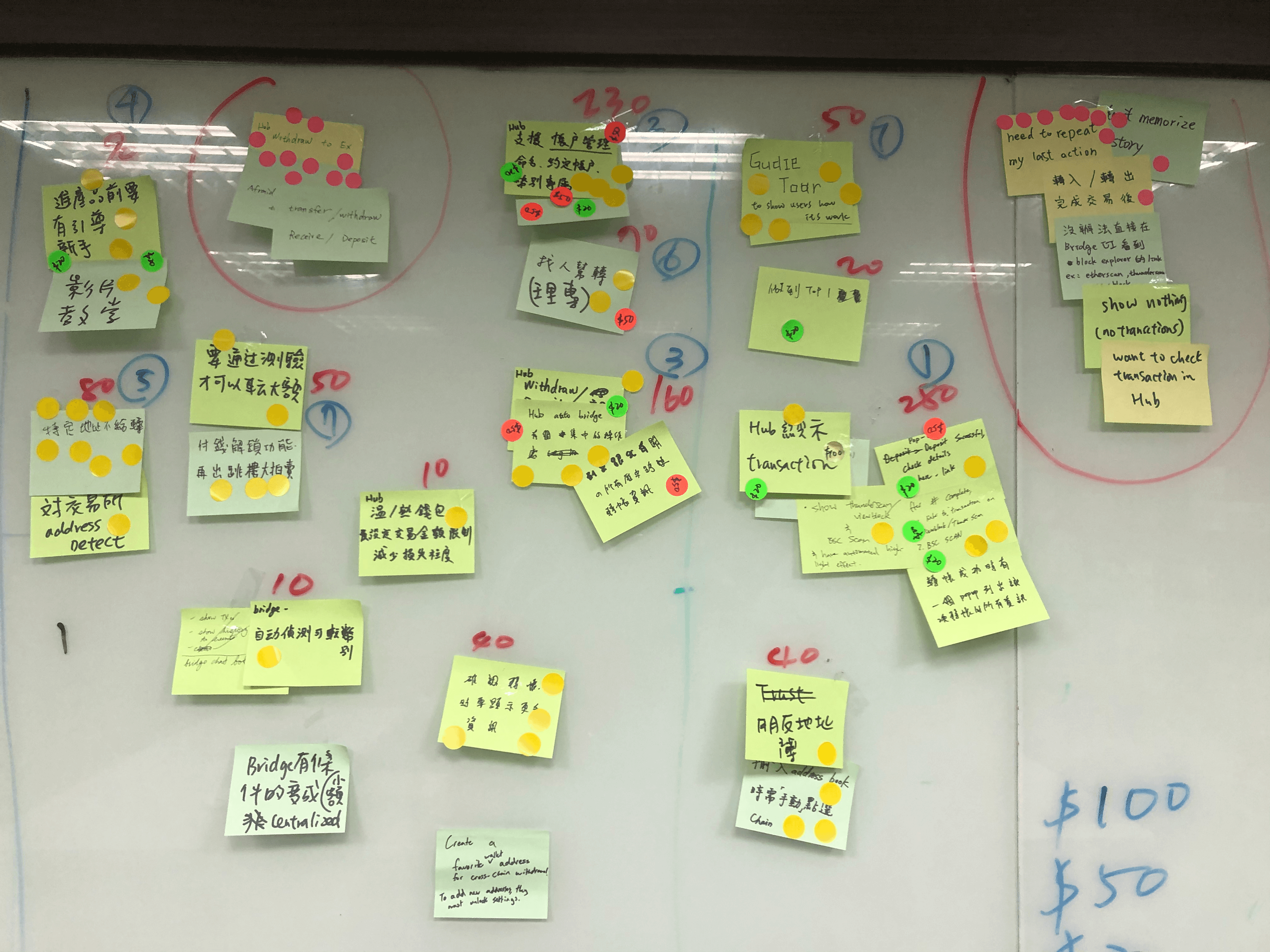
The workshop's focus was not on gathering opinions, but on bringing diverse roles to a shared foundation for judgment.
SCENE 05
From scattered opinions to shared understanding
I designed a convergent process: venting anxieties, structuring them, and finally deciding priorities. It was about collective understanding of which problems must be fixed for sustainable growth.
Brainstorming
Classification
Decision
I structured the workshop into three phases: diverge, synthesize, and decide, allowing the team to walk toward consensus together.
SCENE 06
Aligning priorities, not just interfaces
Bridge was no longer seen as a 'legacy product not worth investment.' It became 'critical infrastructure affecting trust.' This shift changed the question from 'should we fix it' to 'what is most critical to fix first.'
“Some problems must be fixed before new growth can stand firm.”
SCENE 07
Lining up consensus with the actual nodes
I focused on critical judgment points: disclosure, constraints, and conditions. These small changes provide the support users need to make confident decisions in irreversible flows.
Visible balance disclosure
Clearer limit rules (Min/Max)
Precise address suggestions
No action until conditions are met
SCENE 08
Leaving behind more than just a workshop
This wasn't a flashy redesign. It left a long-term impact: the team re-learned that infrastructure is the foundation for all growth. I used design to reposition a disregarded problem back to where it belonged.
Some products may not be the flashiest, but they uphold the trust of the entire experience.