ExistLive · Event ticketing platform · 2024
One event. Fans, organizers and artists all have to get through it.
A US start-up wanted artists and independent organizers to sell their own tickets, with one product serving fans, organizers and artists. I was the only hands-on designer. I started with a competitive review, then took three flows to engineering handoff: creating events, buying tickets and booking artists.
Role
Senior Product Designer (contract, fully remote): competitive review, IA, flows, web and app UI, design system, WCAG checks
Team
PM, a senior designer who reviewed my work weekly, and 5 to 6 engineers in Taiwan, the US and Ukraine
Duration
February to August 2024
3
Roles served
9
Products reviewed
Web, mobile web, app
Platforms
The brief
“Organizers should be able to create events and sell tickets on their own.”
Fans, organizers and artists come to do very different things. If any one of them gets stuck, the event doesn't happen.
Find an event, buy a ticket or donate, and find the ticket again later.
Create the event, open and track sales, and find artists and venues.
Run their own page and set the terms they'll perform on.
I walked through the old create-event flow end to end. Organizers got stuck in five places:
- No way to create an event from the home page, and no sign of which role you were in
- No guidance on where to start the first time
- The form asked for too much
- Every event waited for an admin review, with no idea how long
- Once live, organizers couldn't see how sales were going
Research
Nine products, three findings
I walked through the create-event flow in nine similar products and wrote it up for the team.
A new organizer arrives. What do you ask them to do first?
Pick one, then see what I decided.
Design decisions
Every decision came back to whether someone would get stuck
Organizers build the event first and sign up last
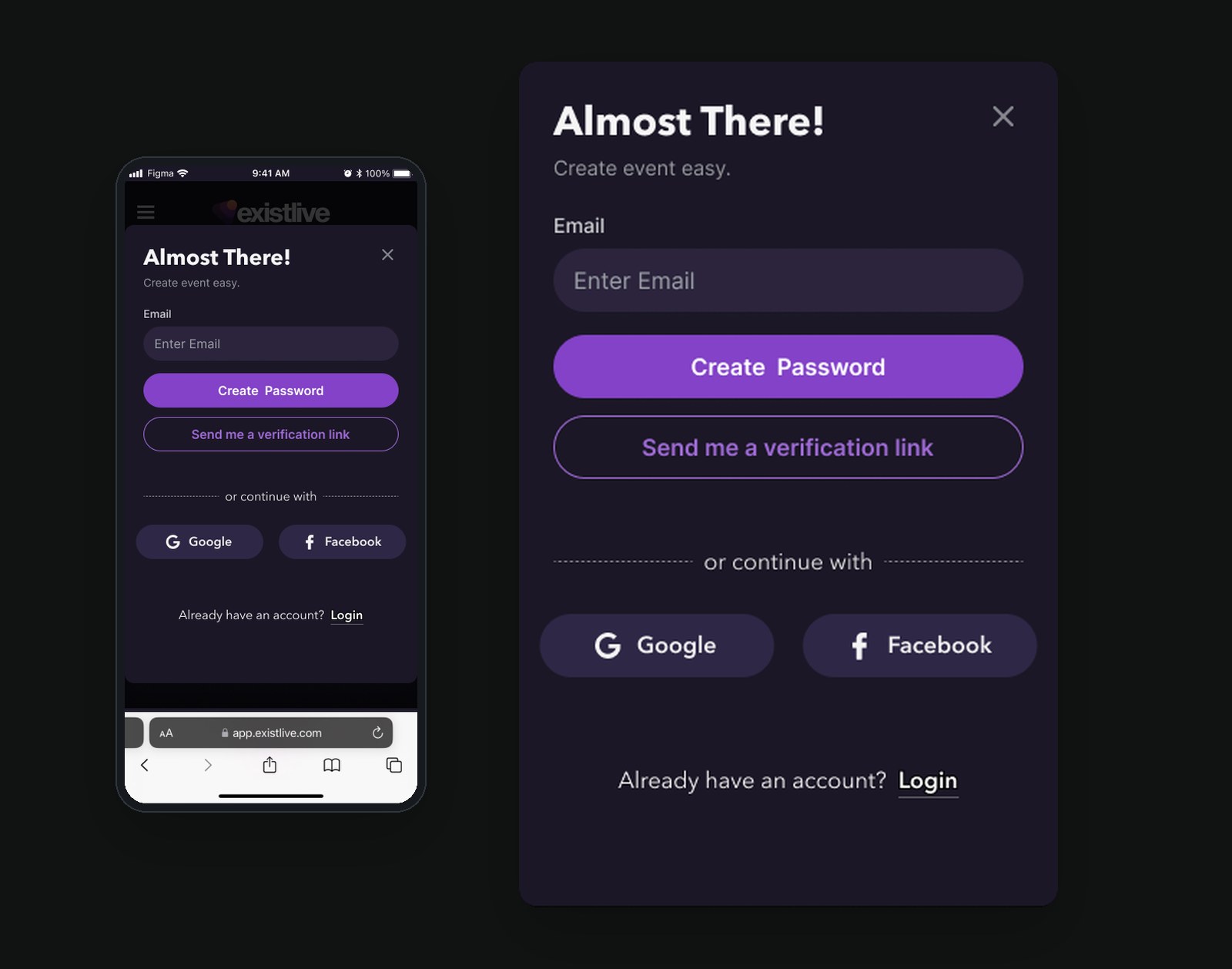
I followed Posh's order. “Create event” on the home page starts right away, and “Almost There!” asks for an account only after the event is filled in. With the review gone, a finished event can go live.
Three event types, one flow
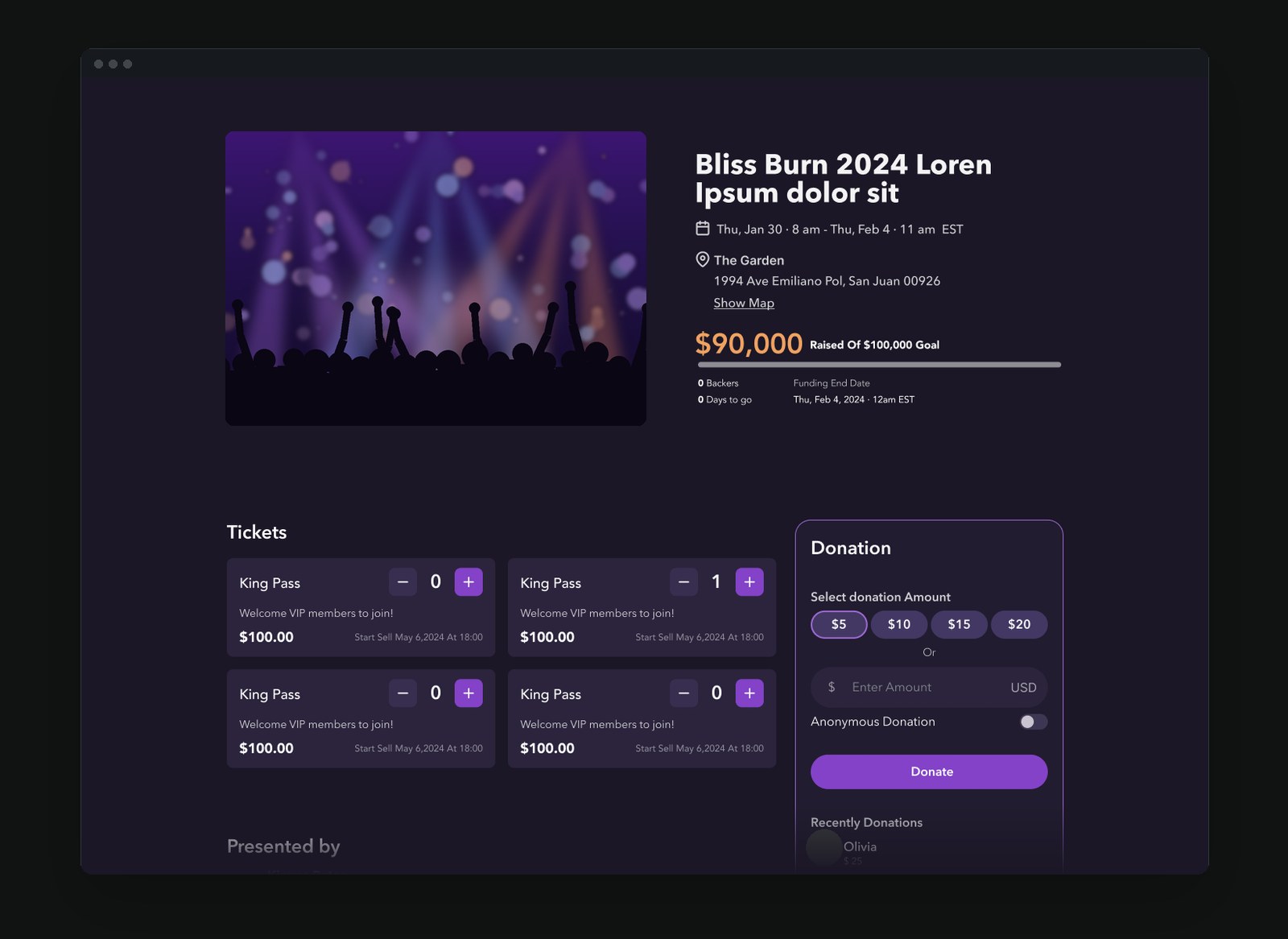
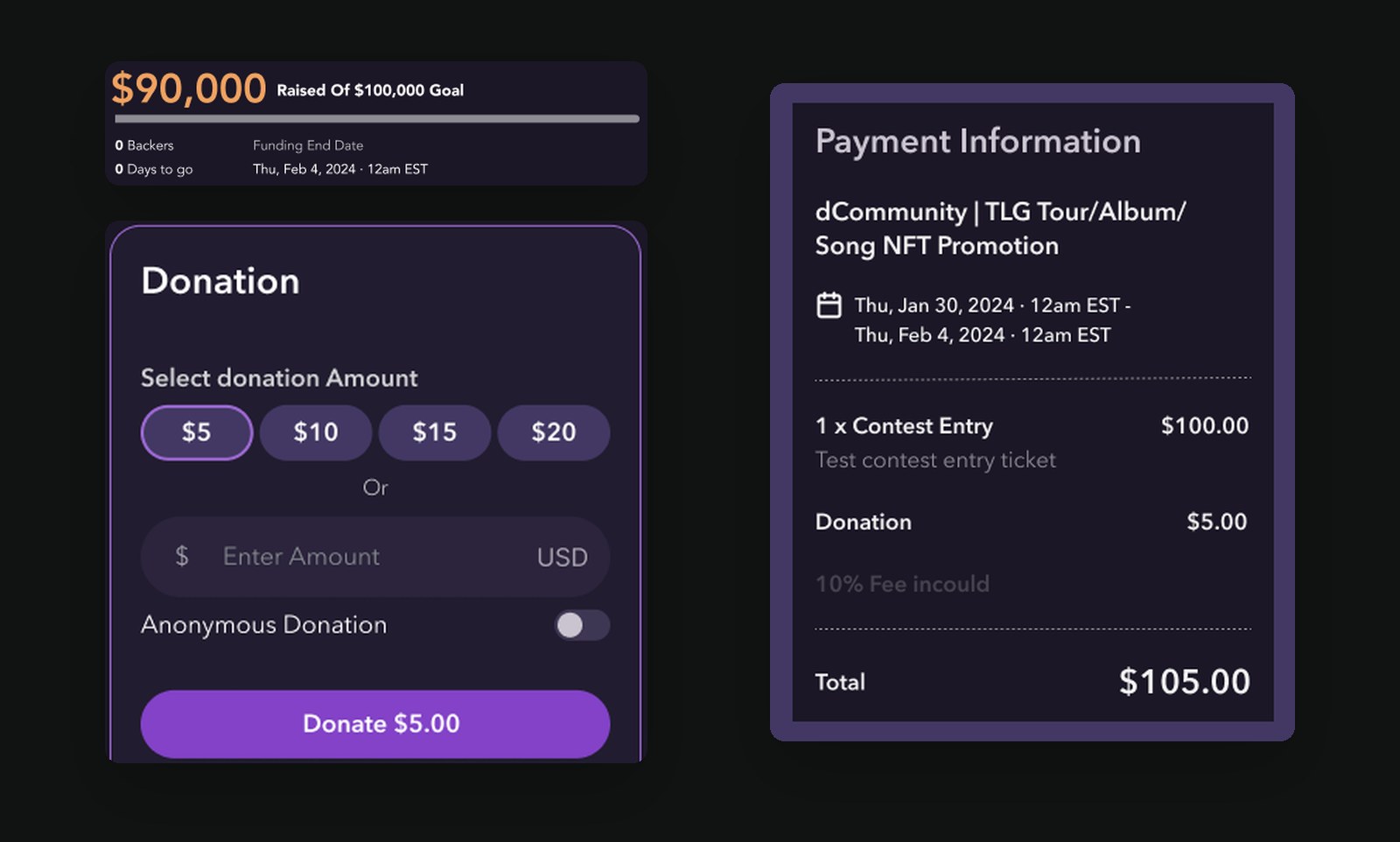
Paid, fundraising and free RSVP events share one create flow, and a first event needs only the required fields. Fans can just donate, or add a donation to their tickets in one checkout.
Fans can buy without an account
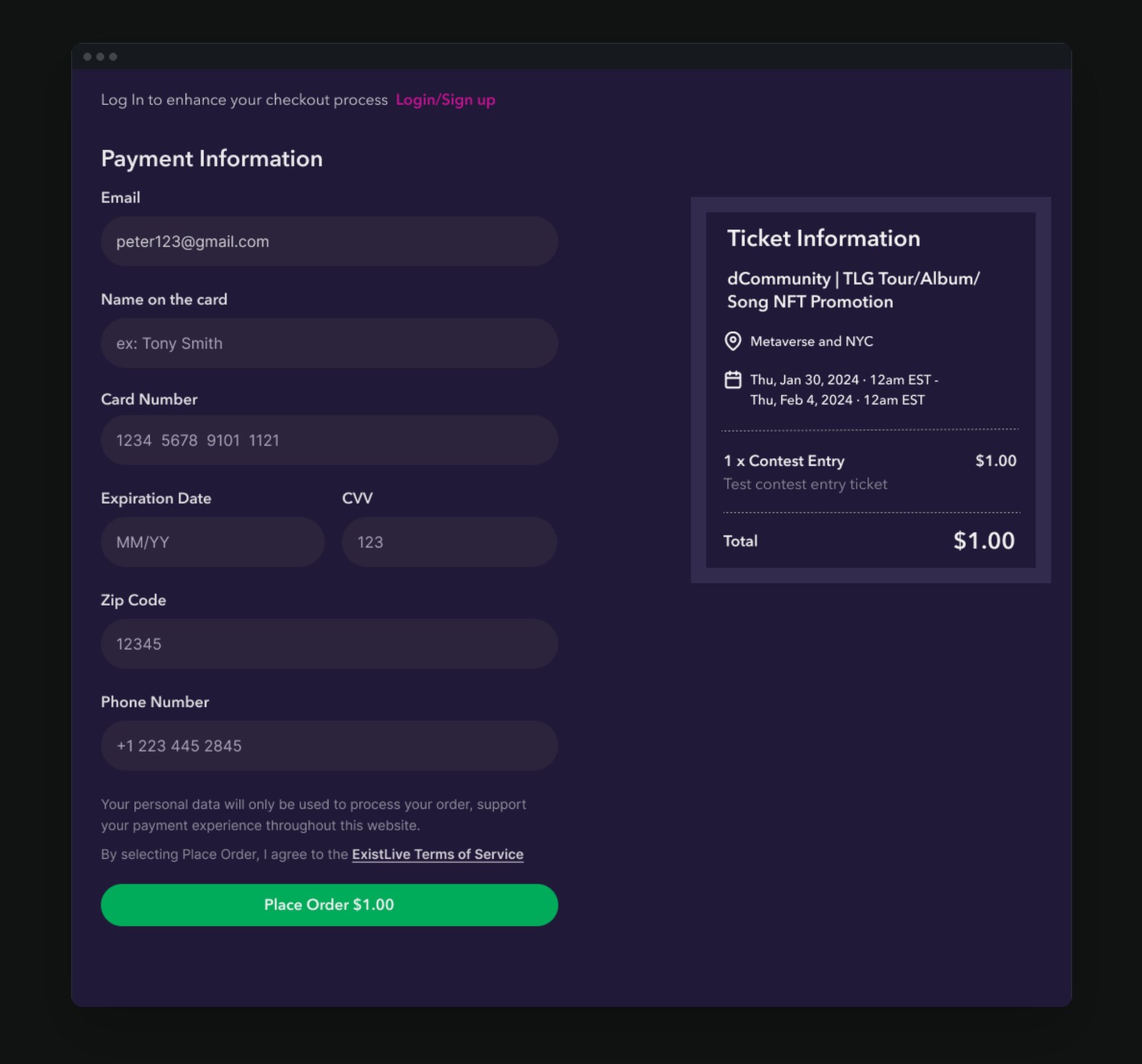
Guests check out with just an email and a card. After payment, the confirmation email has a magic link that creates an account, so the ticket is there next time.
Booking an artist: make the first request more likely to work
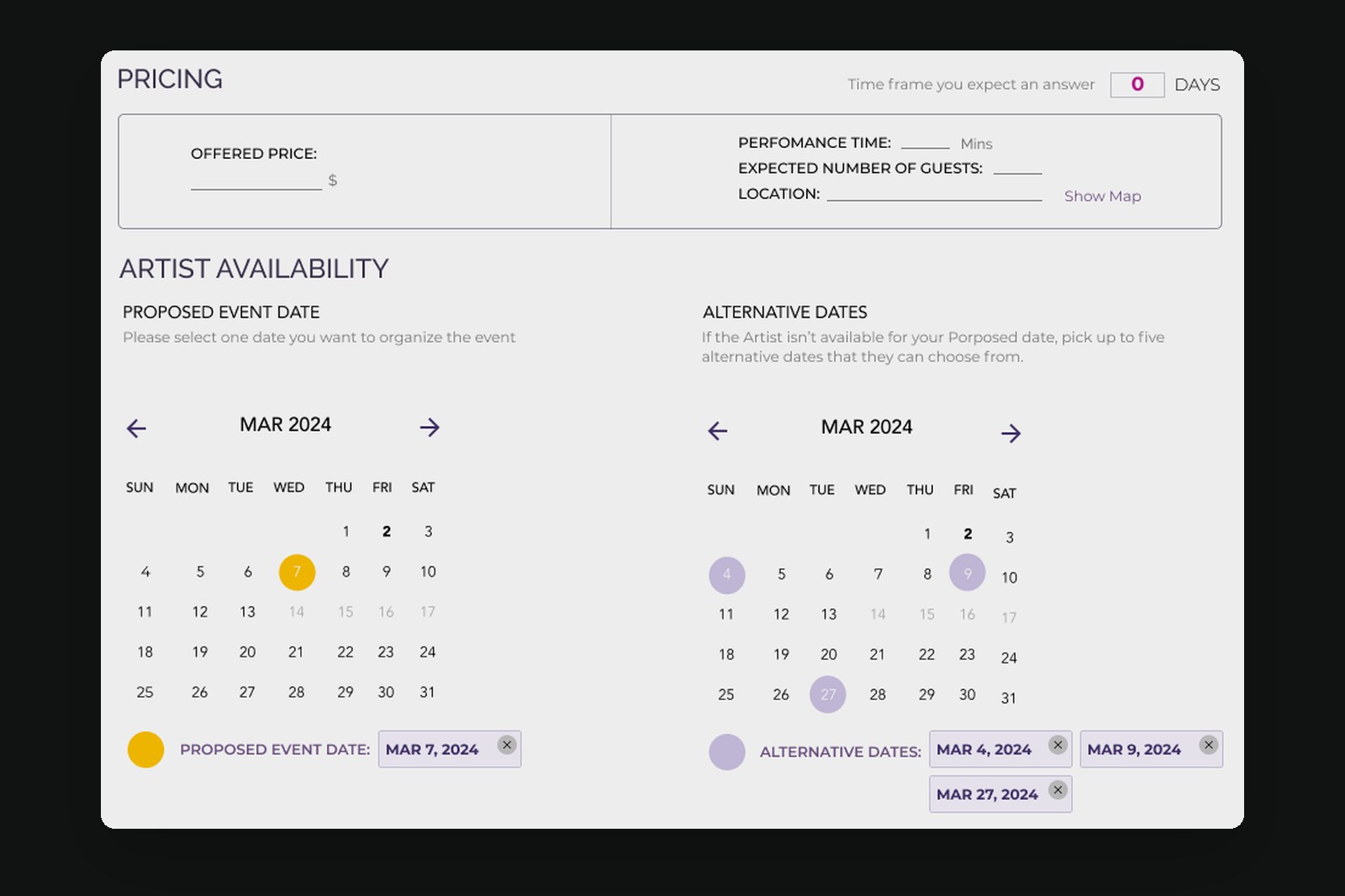
Booking usually stalls on dates, so organizers can propose a date plus up to five backups in one request.
I also built design systems for web and app, and across three time zones I kept a daily decision log with files and reasons.
After launch
It shipped. A new team later redesigned it.
I never saw launch data. With it, I'd watch:
- How many organizers get from “Create event” to published, and where they stop
- Guest checkout conversion, and how many use the magic link to create an account
- How long artists take to reply, and how often backup dates get used
Reflection
Without manual review, fraud checks had to go somewhere else
I removed the manual review before events went live, so organizers could publish as soon as they were done. But that review also stopped fake events, and I didn't add a check to replace it, like verifying organizers before payouts or letting fans report fake events. Now I ask first: when a barrier comes down, where does the risk get caught?