TT Wallet · Referral
When growth meets trust
A short-lived Referral launch taught me that a seamless sign-up flow does not always equate to established trust.
ROLE
Product Designer
TEAM
Product, Engineering, Marketing
DURATION
2 months
2 months
Launched in
2 weeks
Delisted after
missing trust
Exposed
This is not a typical growth success story. The Referral feature launched smoothly but was taken down after just two weeks. In hindsight, the problem wasn't a clunky conversion flow—it was that we pushed a group of new users, who had just downloaded the App and hadn't built any trust, too early into financial decisions. In this project, I didn't change the final scope, but I redefined design's responsibility within those constraints: if the growth loop cannot be temporarily completed, design should at least hold the line—preventing users from being pushed forward without understanding.
The Outcome
Delisted two weeks post-launch. Though it drove short-term engagement, it failed to retain users. The root cause matched the trust gaps identified in my early research.
My Role
I led research, strategy, and UX/UI design. I mapped out user journeys and risks, and within scope constraints, I advocated for a more conservative, non-misleading path for new users.
The Takeaway
Right insights need the right timing. Smooth sign-ups don't equal trust. A designer's true impact lies beyond UI, in the early framing of the problem.
Context
TT Wallet is the core entry point for the ThunderCore ecosystem. The team wanted a Referral mechanism to acquire new users and drive deposits into TT Mining. What seemed like a standard growth hack revealed deeper flow risks during my research. However, with the PM holding the timeline and resource decisions, the scope was locked early—setting the stage for the core conflict.
I saw a broken loop, not an entry point
A successful Referral relies on a complete loop: incentive → signup → understanding → value → referring others. Here, the critical link was missing: a proper onboarding and trust-building phase. Asking new users to make financial decisions immediately after downloading an app with no context was risky. Sign-up could be fast, but it didn't provide safety.
Smooth does not mean safe. Fast does not mean understood
Cooperate with devs
Create incentives to download TT Wallet
Good Registration
Smooth onboarding to build trust
ThunderCore Ecosystem
Referral
Trigger sharing
Show Case
Share high profits on TT Wallet
I tried bringing it into scope, but it was too late
What I Did
I mapped user journeys and growth loops, arguing that onboarding optimization should ship alongside the Referral mechanism.
Why It Didn't Expand
Timeline and resources were already locked. My insights arrived too late, spoken in 'design language' instead of 'business language', without proposing a viable minimal alternative.
“I saw the problem, but I didn't help the team see it while the scope was still open.”
In incomplete conditions, how I chose
Given a fixed scope, I faced a choice of design responsibility.
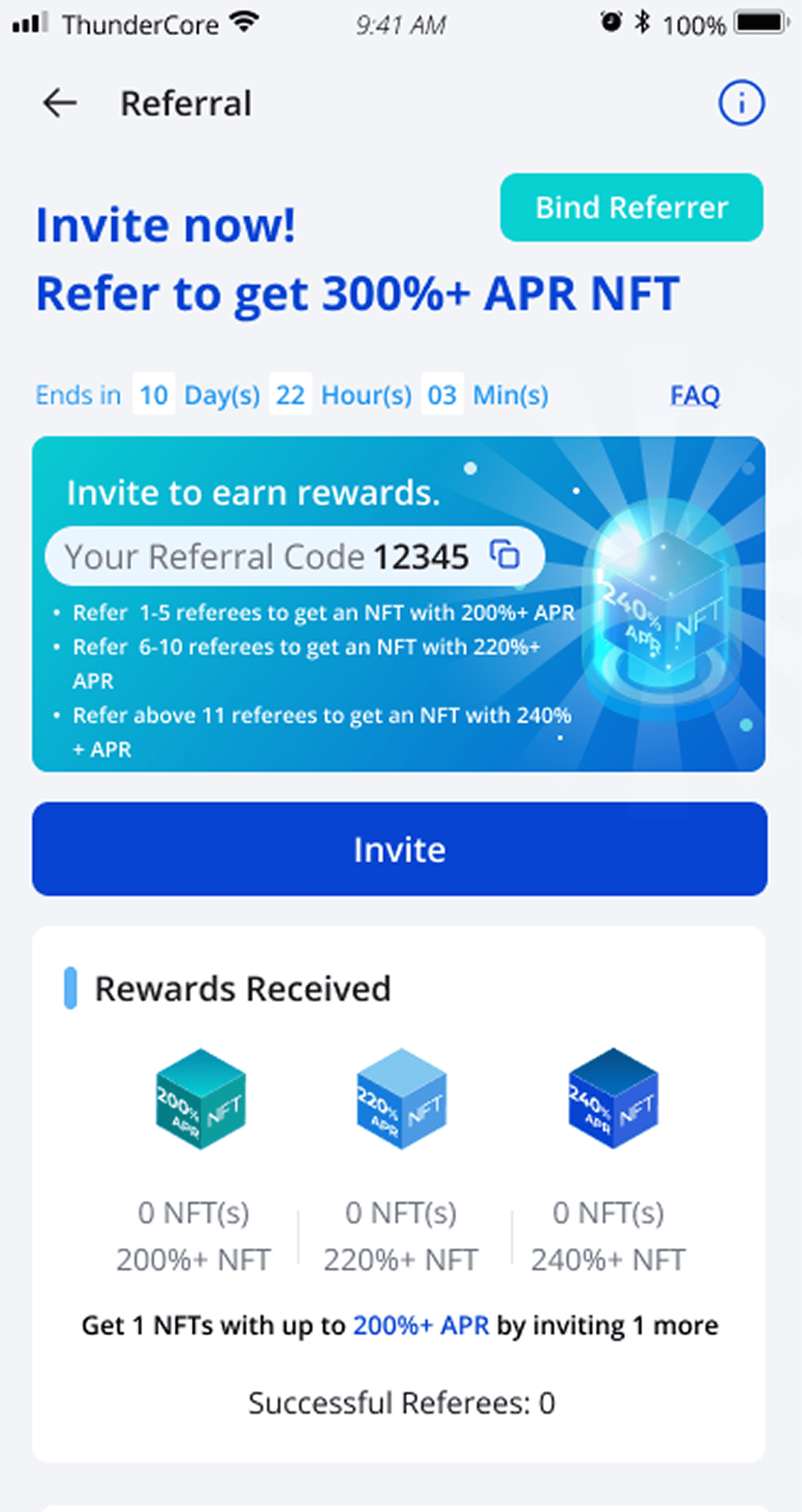
C | Value-Oriented (Selected)
Delisted in two weeks, back to square one
Referral spiked short-term active users but failed to retain them. Once users collected rewards, they left. The loop never closed. High budget burn and low retention led to its deprecation.
“This result didn't make me feel vindicated. It was a stark reminder: without trust, smooth flows only drive one-off behaviors, not long-term relationships.”
How this case changed my approach
1. Impact relies on timing as much as insight
Perfect research means little if it misses the window when the scope is still negotiable.
2. Translate design language into business language
Terms like 'friction' and 'cognitive load' must become 'retention', 'risk', and 'ROI'. A designer's true influence begins in early framing.
3. Even constrained, design can protect the user
We can't always change the macro direction, but we can prevent users from being blindly pushed forward without understanding.